
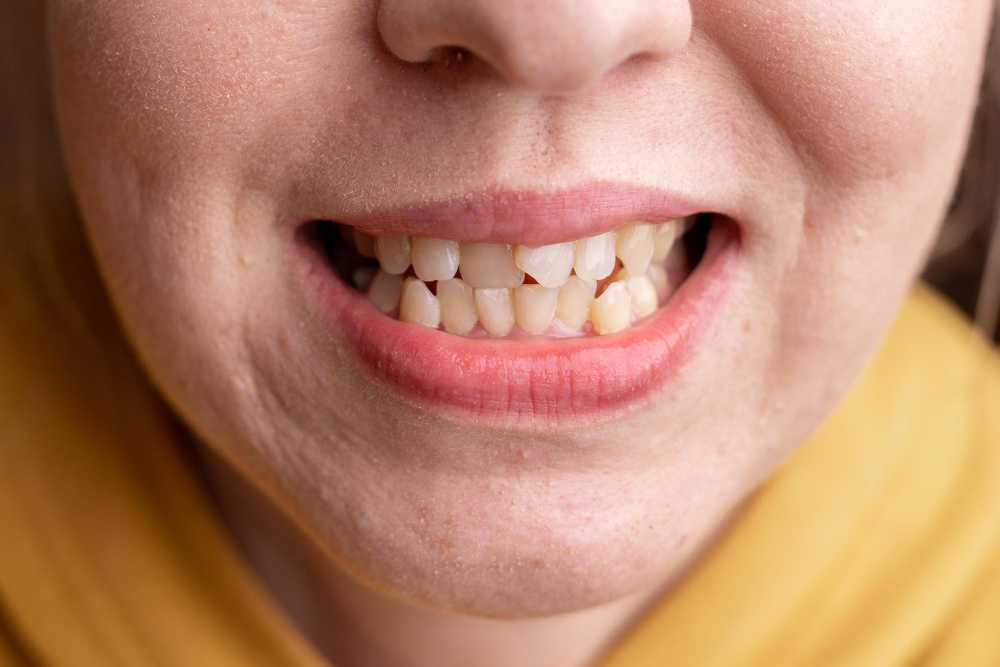
What is Malocclusion?
Malocclusion is a dental condition where the teeth do not fit together properly when you close your mouth. Because of this, your bite may feel uneven or uncomfortable. Malocclusion can affect both children and adults. In many cases, it can lead to problems with chewing, speaking, or cleaning your teeth. According to the World Health Organization (WHO), malocclusion is one of the most common dental issues worldwide. Early detection can help prevent further complications. If you notice any changes in your bite, it is important to seek advice from a dentist.
Common Causes of Malocclusion
There are several reasons why malocclusion may develop. Sometimes, it is inherited from parents. Other times, it happens because of habits or health issues. Below are some common causes:
Because many causes are preventable, early dental care is important. However, some people may develop malocclusion even with good habits.
Symptoms and Signs
Malocclusion symptoms can vary from mild to severe. Some people may not notice any problems at first. However, as the condition progresses, you may see or feel these signs:
Because these symptoms can affect daily life, it is important to watch for changes in your mouth. Early treatment can help prevent further issues.
How Malocclusion is Diagnosed
To diagnose malocclusion, a dentist will first examine your mouth and teeth. They may ask about your dental history and any symptoms you have noticed. Next, the dentist may take X-rays to see how your teeth and jaw fit together. Sometimes, they use dental molds to get a clear picture of your bite. Because early diagnosis is helpful, regular dental check-ups are important. If your child has signs of malocclusion, a dentist can suggest the best steps for care.
Treatment Options for Malocclusion
There are several ways to fix malocclusion. The right treatment depends on your age, the cause, and how severe the problem is. Here are some common malocclusion treatment options:
Because each person is different, your dentist will create a treatment plan just for you. Early treatment in children can prevent more serious problems later.
Prevention and Lifestyle Tips
While not all cases of malocclusion can be prevented, some steps can lower your risk. Here are some helpful tips:
Because prevention is easier than treatment, these habits can help you and your family avoid dental problems.
When to See a Dentist
If you or your child notice any signs of malocclusion, it is best to see a dentist soon. Early care can make treatment easier and more effective. You should schedule a dental visit if you notice:
Because dental health is important for overall well-being, do not wait to seek help. A dentist can explain how to fix malocclusion and suggest the best treatment for you.
For personalized advice on malocclusion, consult a dentist at KRISHEES MULTISPECIALITY DENTAL CLINIC. Early action can help you achieve a healthy, comfortable smile.