
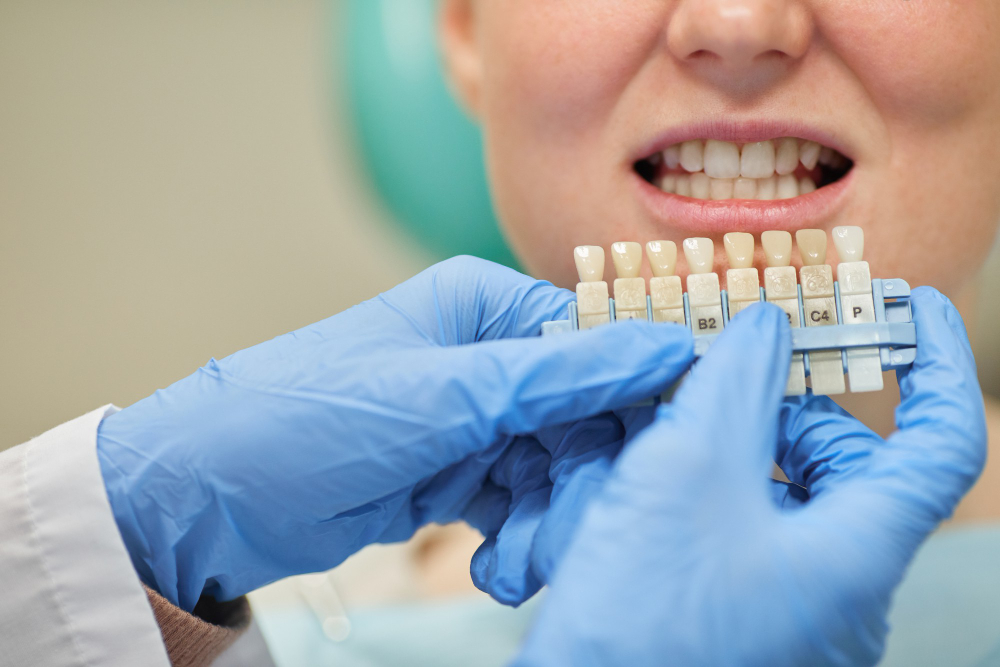
What Are Dental Crowns?
Dental crowns are tooth-shaped caps placed over teeth. They help restore the shape, size, and strength of a tooth. Often, dental crowns improve the look of a damaged or weak tooth. Dentists use them to cover, protect, and support teeth. According to the American Dental Association, crowns are a common solution for many dental issues.
Common Reasons for Needing Dental Crowns
There are several reasons why someone might need dental crowns. For example, crowns can:
Sometimes, children may also need crowns to protect teeth at high risk of decay.
Types of Dental Crowns: Materials and Their Pros and Cons
There are different types of dental crowns. Each type uses a different material. The main types include:
Each type has its own benefits and drawbacks. Your dentist can help you choose the best one for your needs.
The Dental Crowns Procedure: Step-by-Step
The dental crowns procedure usually takes two visits. Here is what you can expect:
Some dental offices offer same-day crowns using special technology. In these cases, you may get your crown in one visit.
Aftercare Tips and Maintenance
Proper dental crown aftercare helps your crown last longer. Here are some tips:
With good care, dental crowns can last many years. In fact, many people find their crowns last 5 to 15 years or even longer.
Potential Risks or Complications
While dental crowns are safe, some risks exist. For example, you may feel sensitivity to hot or cold foods. Sometimes, the crown may become loose or fall off. Rarely, you may have an allergic reaction to the crown material. In some cases, the tooth under the crown can still get a cavity. If you notice pain, swelling, or a loose crown, contact your dentist right away.
Prevention Tips for Crown Longevity
To help your dental crowns last longer, follow these prevention tips:
By taking these steps, you can help your crowns stay strong and healthy for years.
Conclusion
Dental crowns offer many benefits for damaged or weak teeth. They restore function and improve your smile. With proper care, dental crowns can last a long time. However, it is important to follow your dentist’s advice and practice good oral hygiene.
Consult your dentist at KRISHEES MULTISPECIALITY DENTAL CLINIC to find out if dental crowns are right for you.