
Introduction: What Is Bruxism and Why Does It Matter?
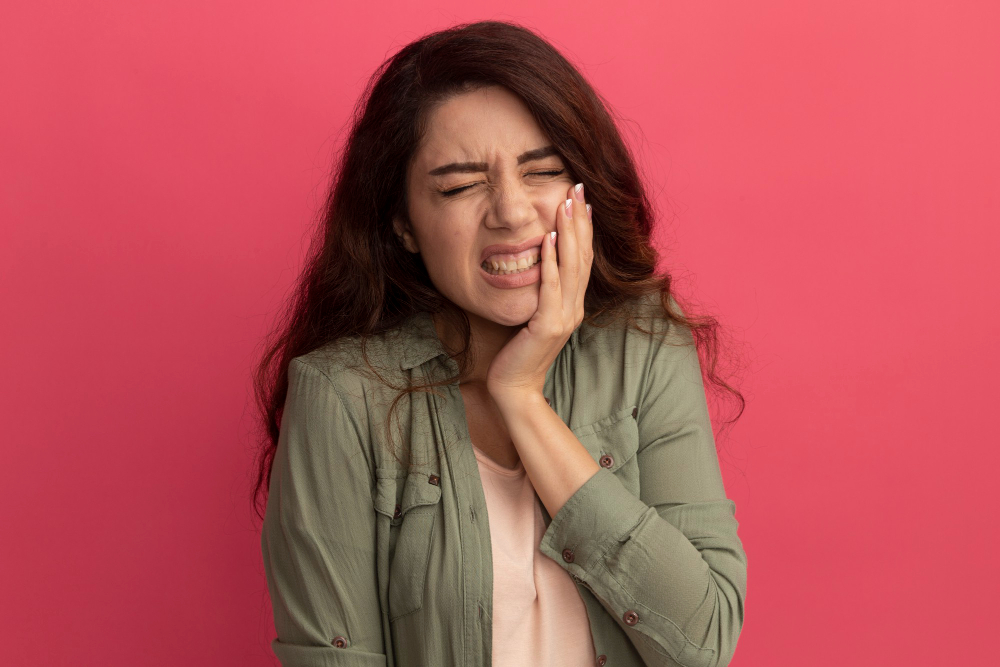
Protecting your smile from bruxism is important for good oral health. Bruxism means grinding or clenching your teeth, often while you sleep. Over time, this habit can harm your teeth and jaw. For example, it may cause tooth pain, headaches, or even broken teeth. According to the World Health Organization (WHO), bruxism affects both children and adults. Because it can go unnoticed, many people do not realize they have it. However, early care can help prevent serious problems.
Causes of Bruxism
Many factors can lead to bruxism. While stress is a common cause, other reasons may play a role. Understanding these causes can help you find the right solution. For instance, you may notice more grinding during stressful times. In addition, some people have habits or health issues that increase their risk.
Because there are many causes, a dentist can help find the reason for your bruxism.
Common Symptoms and Signs
Bruxism can show up in different ways. Sometimes, you may not notice any signs at first. However, over time, symptoms become clearer. Recognizing these signs early can help protect your teeth from damage.
If you notice these symptoms, it is wise to seek dentist advice for bruxism.
How Bruxism Is Diagnosed
Diagnosing bruxism often starts with a dental exam. Your dentist will look for signs of wear or damage. They may also ask about your symptoms and sleep habits. Sometimes, a sleep study is needed to check for related problems, such as sleep apnea. In some cases, your dentist may use X-rays to look at your jaw and teeth. Because early diagnosis is key, regular dental check-ups are important.
Effective Treatments and Dental Interventions
There are many teeth grinding solutions available. Your dentist will suggest the best option based on your needs. For example, a custom mouthguard can protect your teeth at night. In addition, fixing bite problems may help reduce grinding. Sometimes, treating stress or sleep issues is also needed.
Because each case is different, always follow your dentist’s advice for bruxism treatment.
Lifestyle Tips and Home Care for Prevention
There are simple bruxism prevention tips you can try at home. While these steps may not cure bruxism, they can help reduce symptoms. For instance, managing stress can lower your risk of teeth grinding. In addition, healthy habits support better sleep and oral health.
Because prevention is easier than treatment, these tips can help protect your smile from bruxism.
Long-Term Effects If Left Untreated
If bruxism is not treated, it can cause serious problems. Over time, teeth may become worn down or cracked. In addition, you may develop jaw pain or even joint issues. Some people also experience headaches or trouble sleeping. Because these effects can lower your quality of life, early care is important. According to the CDC, untreated bruxism may lead to tooth loss or costly dental work.
Conclusion: Take Action for a Healthy Smile
In summary, protecting your smile from bruxism starts with awareness and early care. If you notice any signs or symptoms, do not wait. Consult a dentist at KRISHEES MULTISPECIALITY DENTAL CLINIC for personalized advice on bruxism. With the right support, you can keep your teeth healthy and strong for years to come.