
Introduction
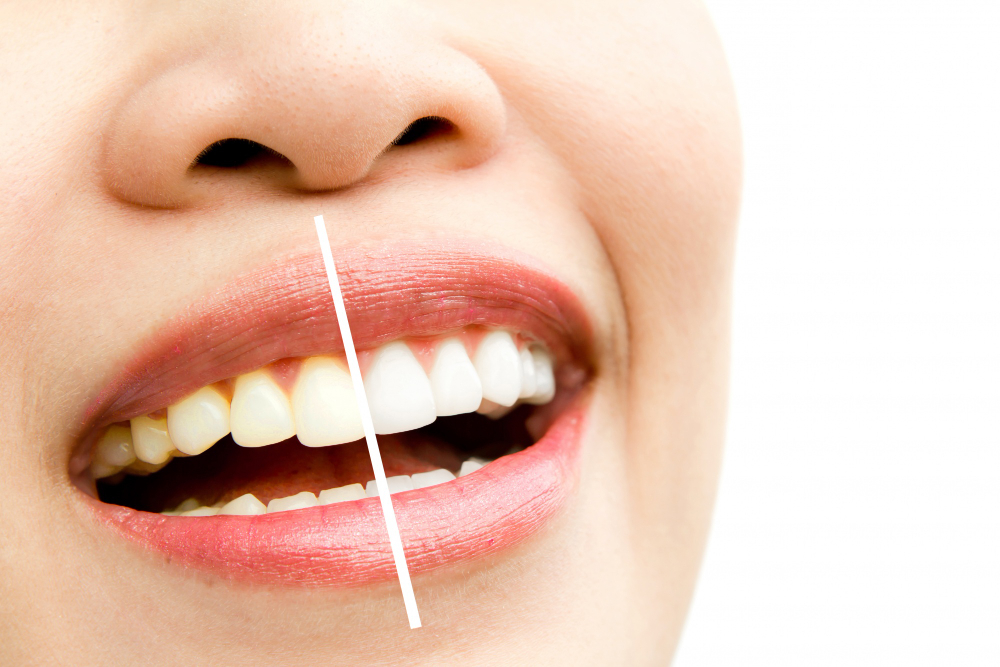
Teeth whitening is a popular way to brighten your smile. Many people want whiter teeth, so they try different products and treatments. However, there are many teeth whitening facts and myths. Some people wonder, “Is teeth whitening safe?” Others believe stories that are not true. In this blog, we will share the real facts and clear up common myths about teeth whitening.
Common Facts About Teeth Whitening
First, let’s look at some important teeth whitening facts. Knowing these can help you make better choices for your smile.
Myths and Misconceptions
Now, let’s clear up some common teeth whitening myths. Many people believe things that are not true. This can lead to disappointment or unsafe choices.
How Teeth Whitening Works
Teeth whitening uses special products to lighten the color of your teeth. Usually, these products contain safe bleaching agents like hydrogen peroxide or carbamide peroxide. There are two main ways to whiten teeth:
Some people also use whitening toothpaste, but it only removes surface stains. It does not bleach teeth.
Safety and Effectiveness
Many people ask, “Is teeth whitening safe?” According to the American Dental Association, teeth whitening is safe when used as directed. However, some people may feel tooth sensitivity or gum irritation. These side effects are usually mild and go away soon. For best results, always follow the instructions. Professional teeth whitening is often safer and more effective than over-the-counter products.
Tips for Safe Teeth Whitening
For a brighter smile, it is important to use safe methods. Here are some tips to help you:
When to Consult a Dentist
Sometimes, it is best to talk to a dentist before whitening your teeth. For example, if you have sensitive teeth, dental work, or gum problems, a dentist can help you choose the safest option. Also, if you do not see results or have pain, you should see a dental professional. Dentists can offer professional teeth whitening and give advice for your unique needs.
In summary, teeth whitening can be safe and effective when done properly. However, it is important to know the facts and avoid common myths. For the best results, consult a dentist at KRISHEES MULTISPECIALITY DENTAL CLINIC for personalized advice on teeth whitening.